
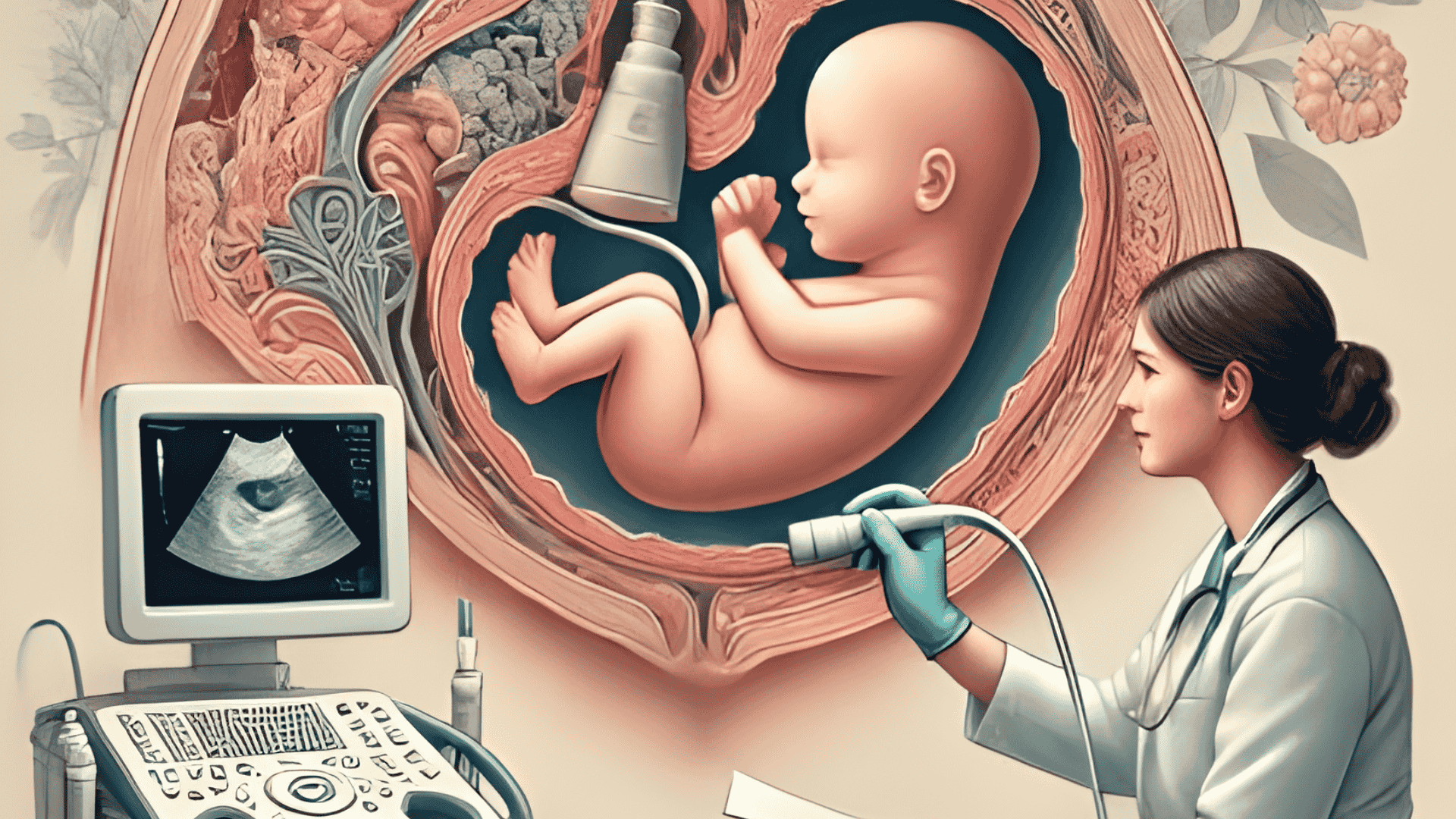
‘Gene-Switch’ of Embryo Implantation: A Major Discovery by Indian Scientists | UPSC Current Affairs November 2025
Introduction: A Revolutionary Scientific Breakthrough
In November 2025, Indian scientists made a significant discovery in the field of reproductive biology. This research, led by the Indian Council of Medical Research (ICMR), has decoded a mysterious process occurring in the earliest stages of pregnancy. This breakthrough offers new hope for women struggling with infertility and may improve the success rates of IVF (In Vitro Fertilization).
Key Discovery: How the Gene Switch Works
HOXA10 and TWIST2: A Pair of Genes
The scientists found that two genes—HOXA10 and TWIST2—work as a “molecular switch” in the endometrium (the inner lining of the uterus).
Role of HOXA10 Gene:
Keeps the uterine lining closed and protected
Functions like a fortress wall preventing any foreign entity from entering
Role of TWIST2 Gene:
When the embryo comes in contact with the uterine wall, HOXA10 temporarily “switches off” at that exact spot
TWIST2 then “switches on” and makes the uterine cells flexible
This flexibility opens a pathway that allows the embryo to implant
Highlights of the Research
Collaborating Institutions
The study was completed through collaboration among three major Indian institutions:
ICMR–National Institute for Research in Reproductive and Child Health (ICMR-NIRRCH), Mumbai — Lead research institute
Banaras Hindu University (BHU), Varanasi — Expertise in molecular biology
Indian Institute of Science (IISc), Bengaluru — Mathematical modelling and genomics
Lead Researchers
Nancy Ashary – Lead author
Dr. Deepak Modi – Scientist at ICMR-NIRRCH and corresponding author
Dr. Mohit Jolly – Mathematical modelling expert, IISc Bengaluru
Dr. Geetanjali Sachdeva – Director, ICMR-NIRRCH
Publication Details
Published on 10 November 2025
Journal: Cell Death Discovery (Nature Publishing Group)
Peer-reviewed and open access
Scientific Process: Partial Epithelial-to-Mesenchymal Transition (pEMT)
How the Gene Switch Operates
Researchers found that the mechanism functions through Partial Epithelial-to-Mesenchymal Transition (pEMT):
In normal conditions:
HOXA10 maintains epithelial cell identity
Suppresses mesenchymal programmes
Upon embryo contact:
HOXA10 levels reduce (downregulation)
TWIST2 activation:
TWIST2 promotes mesenchymal gene expression
Makes cells mobile
Result:
Uterine cells shift slightly
Creates a “gateway” for embryo implantation
Experimental Evidence
Verification in Animal Models
The gene switch was identified across various mammalian species:
Mice
Hamsters
Monkeys
Human tissues
This proves it is an evolutionarily conserved mechanism present for millions of years.
TWIST2 Blocking Experiment
When researchers blocked TWIST2 in mice:
Uterine lining remained completely closed
Embryos could not implant
Mice did not become pregnant
This confirms the gene switch is essential for reproduction.
Importance for IVF and Infertility Treatment
Reason for Implantation Failure
According to Dr. Geetanjali Sachdeva:
Understanding this biological switch explains why some women experience repeated implantation failures or early pregnancy loss even when embryos are healthy.
Importance of Balance
Proper opening of the uterine wall is a delicate balance:
Too little opening: Embryo cannot implant
Too much opening: Pregnancy cannot be maintained
Controlling the balance between HOXA10 and TWIST2 may increase IVF success rates.
Current IVF Success Rates in India
Below 35 years: 50–60% per cycle
35–37 years: 40–50%
38–40 years: 30–40%
Above 40: 10–20%
This discovery may improve outcomes especially where healthy embryos still fail to implant.
Future Possibilities
Diagnostic Applications
As per Dr. Deepak Modi, in the future:
Endometrial sampling can determine the status of these genes
Doctors can assess if the uterus is ready for implantation
Therapeutic Options
Scientists aim to develop molecules or drugs that regulate these genes:
Helpful for women facing repeated IVF failures
Enables personalised and more effective treatment
Research Duration
The research spanned eight years.
A major challenge was obtaining human uterine tissues precisely during the small implantation window.
Exam-Oriented Key Points
At a Glance
Name of Discovery: Genetic Switch for Embryo Implantation
Key Genes:
HOXA10 (keeps uterus closed)
TWIST2 (opens uterus)
Institutions:
ICMR-NIRRCH, Mumbai
BHU, Varanasi
IISc, Bengaluru
Publication:
Journal: Cell Death Discovery (Nature Group)
Date: 10 November 2025
Species Verified:
Mice, hamsters, monkeys, humans
Applications:
Improved IVF success
Prevention of recurrent pregnancy loss
Advances in infertility treatment
Relevance for UPSC and Other Competitive Exams
For UPSC Prelims:
Biotechnology
Genetics and molecular biology
National institutions like ICMR
Recent scientific breakthroughs
For UPSC Mains (GS-III):
Science & Technology developments
Indian contributions to health research
Women’s health and reproductive rights
Essay Paper:
Health
Science and society
Types of Possible Questions
MCQ Examples:
HOXA10 and TWIST2 genes are associated with which process?
Where is ICMR-NIRRCH located?
Cell Death Discovery belongs to which publication group?
Mains Questions:
“Analyse recent achievements in Indian medical research.”
“Role of biotechnology in reproductive health.”
“Scientific innovation in women’s health services.”
Usefulness for Other Exams
Helpful for:
State PCS
SSC CGL
Railways
Banking exams
NDA/CDS
International Context and Comparison
Global Reproductive Research
Important because:
Millions worldwide struggle with infertility
IVF is costly and emotionally challenging
Implantation failure remains a major issue
India’s Scientific Reputation
Enhances India’s global research standing
Collaborative model proves effective
Strengthens science diplomacy
Health Policy and Social Impact
National Health Priorities
Aligned with goals of the Indian government:
Reduce maternal mortality
Reduce infant mortality
Improve reproductive health services
Support National Health Mission
Socio-economic Benefits
Lower IVF treatment cost
Fewer cycles needed
Reduced emotional stress
More couples fulfilling parenthood hopes
Expert Opinions
Dr. Deepak Modi (ICMR–NIRRCH):
“For successful implantation, one gene must switch off and the other must switch on. HOXA10 stays active to keep the uterus protected. But when the embryo arrives, HOXA10 must turn off at that spot, and TWIST2 must activate to open the gateway.”
Nancy Ashary (Lead Author):
“The uterine lining is like a fortress wall—strong, protective, and normally closed. For implantation to succeed, this wall must momentarily open a small door exactly where the embryo approaches.”
Dr. Geetanjali Sachdeva (Director, ICMR-NIRRCH):
“This switch explains why some women face recurrent implantation failure or early pregnancy loss despite having healthy embryos.”
Why This Is Important for Your Exam Preparation
Current Affairs Relevance
One of the major scientific news items of November 2025
Highlights Indian institutional excellence
Published in an international journal
Multi-disciplinary Linkages
Connects:
Science: genetics, molecular biology, biotechnology
Health: IVF, fertility treatment, women’s health
Research: ICMR and universities
Society: family planning, public health
Use in Mains Answer Writing
Introduction:
“Recently, Indian scientists made a breakthrough in understanding the mechanism of embryo implantation…”
Body:
“The HOXA10–TWIST2 gene switch may improve IVF success rates…”
Conclusion:
“This achievement reflects India’s scientific strength and commitment to women’s health.”
Easy Mnemonics to Remember
“HO-TWIST IVF”
HO – HOXA10 (closes)
TWIST – TWIST2 (opens)
IVF – application area
“MIB Institutions”
M – Mumbai (ICMR-NIRRCH)
I – IISc Bengaluru
B – BHU Varanasi
Conclusion
This discovery by Indian scientists is a milestone in reproductive biology. Understanding the balance between HOXA10 and TWIST2 not only provides hope for millions struggling with infertility but also showcases India's scientific capabilities.
For UPSC aspirants, this topic is extremely important in the Science & Technology section, offering factual knowledge and deeper insights into the intersection of health policy, biotechnology, and social welfare.
In the future, when drugs controlling these genes are developed, IVF treatment may become more personalised, effective, and successful. This discovery is a powerful example of how scientific research can improve human life.
From Atharva Examwise:
For more such important current affairs articles, UPSC-focused content, and exam-oriented material, stay connected with our platform. We are committed to your success!