Introduction
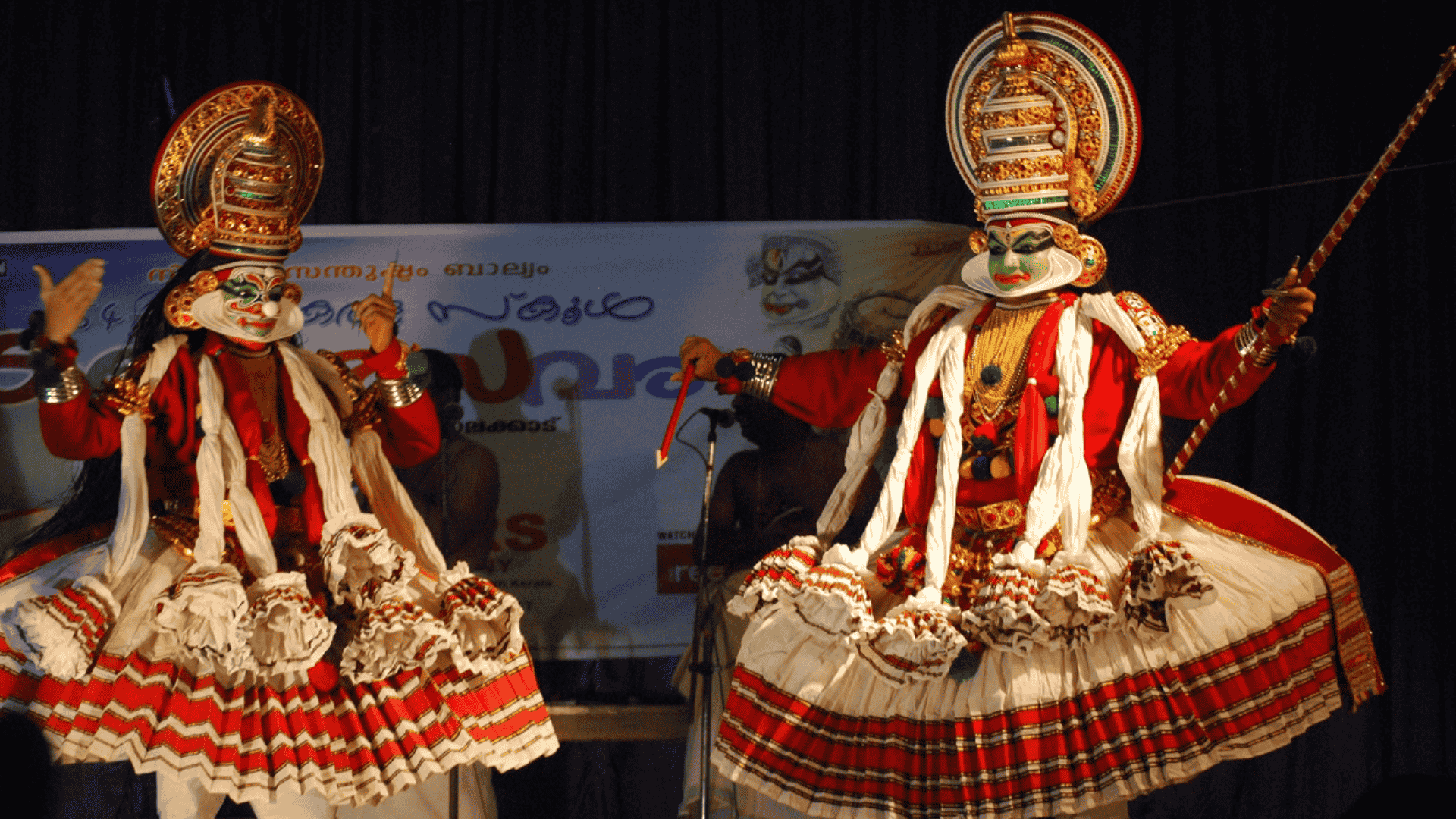
Kathakali stands as one of India's most sophisticated and visually stunning classical art forms. Often termed as Kerala's prominent theatrical style, Kathakali represents a complete artistic experience that seamlessly blends music, dance, drama, and elaborate visual aesthetics. For UPSC and competitive exam aspirants, understanding Kathakali is essential as it reflects India's rich cultural heritage and frequently appears in general knowledge and current affairs sections. This comprehensive guide explores the musical dimensions of Kathakali, its historical significance, and its relevance for exam preparation.
What is Kathakali? Understanding Kerala's Classical Art Form
Kathakali is not merely a music genre—it is an all-encompassing classical theatrical tradition originating from Kerala. The term "Kathakali" itself derives from two Malayalam words: "Katha" (story) and "Kali" (performance), literally meaning "story-play."
Key Historical Facts:
Origin Period: Approximately 17th century CE
Originating Region: Kerala, South India
Classification: Classical dance-drama form (Natya Shastra tradition)
Cultural Significance: Integral to Kerala's cultural identity and heritage
The art form represents a harmonious synthesis of four essential elements:
Narrative (Katha)
Acting (Abhinaya)
Dance (Natya)
Music (Sangita)
This synthesis creates an immersive theatrical experience where performers communicate entirely through stylized movements, facial expressions, and accompanying music rather than direct dialogue.
The Musical Foundation of Kathakali
Carnatic Musical System
Kathakali music is primarily rooted in the Carnatic music system, the classical music tradition of South India. However, art scholars and musicologists recognize that Kathakali has developed its distinctive characteristics through the centuries.
Musical Characteristics:
Based on Carnatic raga framework
Incorporates devotional elements (Bhakti sentiment)
Enhanced dramatic expression and theatricality
Strong influence of local Malayali musical styles
Recognized as the theatrical transformation of Carnatic classical music
The Two Principal Vocalists
Kathakali performances feature a hierarchical vocal structure with two primary singers:
1. Ponani (Primary Singer/Lead Vocalist)
Leads the performance musically
Establishes the raga (melodic framework)
Guides emotional expression and bhava (sentiments)
Sets the pace and emotional tone for the entire performance
2. Shankaran (Co-singer/Secondary Vocalist)
Provides vocal support and harmony
Maintains rhythmic consistency
Supports the tala (rhythmic cycle)
Enhances the overall musical texture
The Unique Characteristic: Abhinaya Through Music
One of Kathakali's most distinctive features is that performers do not speak dialogue directly. Instead:
Singers convey all narrative and emotional content through music
Dancers interpret and embody the music through gestures (mudras)
Facial expressions (rasas) communicate sentiments
Music becomes the "soul of dialogue" in this theatrical form
This creates a unique symbiosis where music is not merely accompaniment but the primary narrative medium.
Musical Instruments in Kathakali
Kathakali employs a specialized ensemble of traditional percussion and wind instruments that create the distinctive sonic environment of the performance.
Primary Percussion Instruments
Chenda (Main Drum)
Function: Primary rhythmic instrument
Sound Character: Sharp, resonant tones
Usage: Dominates in war scenes and heroic sequences
Musical Role: Creates intensity and vigor in dramatic moments
Maddalam (Two-Headed Drum)
Structure: Double-headed cylindrical drum
Sound Quality: Medium to deep resonant tones
Musical Role: Provides foundational rhythm and harmonic support
Usage: Continuous accompaniment throughout performance
Ilathalam (Metallic Cymbals)
Structure: Small cymbal-like percussion instruments
Function: Maintains rhythmic precision
Sound Character: Bright, metallic tones
Usage: Keeps performers synchronized with musical tempo
Shankh (Conch) and Cherumuzhavu
Function: Used in sacred and mystical scenes
Symbolic Significance: Associated with religious and ceremonial moments
Usage: Creates atmospheric and spiritual ambiance
Frequency: Occasional but impactful use
Musical Ensemble Function
These instruments collectively create the dynamic soundscape that:
Supports the vocal renditions
Guides the performers' movements
Establishes emotional atmosphere
Provides rhythmic scaffolding for the entire performance
The Language of Kathakali: Manipravalam
Linguistic Composition
Kathakali songs are composed in Manipravalam, a sophisticated mixed language combining:
Sanskrit (classical language)
Malayalam (local language)
Unique poetic synthesis creating linguistic richness
Attakatha: The Choreographic Texts
Definition: "Attakatha" literally means "story for acting" or "narrative for performance"
Characteristics:
Specialized literary form created specifically for Kathakali performances
Written in Manipravalam language
Contains detailed acting instructions (abhinaya directions)
Guides performers on movements, expressions, and interpretations
Serves as the performance script
Distinguished Attakatha Composers
Several master composers have enriched the Kathakali repertoire:
Kallar Raman - Pioneer in attakatha composition
Ashtamangalam Raman - Acclaimed composer and dramatist
Kavil Pillai - Noted literary and theatrical contributor
These composers established the literary and performative standards that continue to influence Kathakali traditions today.
Kathakali in Indian Classical Arts Heritage
Classification in Natya Tradition
Kathakali occupies a unique position in the Indian classical arts framework:
Falls under Natya (theatrical arts) category in Natya Shastra classification
One of eight classical dance forms recognized by Sangeet Natak Akademi
Represents the South Indian aesthetic and performance philosophy
Distinct from North Indian classical forms like Kathak and Bharatanatyam
Cultural and Artistic Significance
For Kerala:
Embodies state's cultural identity and heritage
Integral to festival celebrations and religious ceremonies
Symbol of Kerala's artistic sophistication
Preserved through gurukula training system
For India:
UNESCO recognition as part of Indian intangible cultural heritage
Represents regional diversity within Indian classical arts
Exemplifies synthesis of multiple art forms
Demonstrates India's sophisticated aesthetic traditions
Why This Matters for Your Exam Preparation
UPSC General Studies Relevance
GS Paper I - Indian Culture and Heritage:
Kathakali is a high-frequency topic in UPSC Prelims
Often appears in questions about Indian classical art forms
Relevant for understanding regional cultural contributions
Important for discussing India's intangible cultural heritage
Common UPSC Question Formats:
"Which state is associated with Kathakali dance form?"
"Kathakali is primarily based on which classical music system?"
"In Kathakali performances, how is dialogue primarily conveyed?"
"Name the two principal singers in Kathakali performances"
"Which UNESCO heritage category includes Kathakali?"
Related Topics for Exam Preparation
Understanding Kathakali connects to several other important exam topics:
Indian Classical Arts Forms:
Bharatanatyam (Tamil Nadu)
Kathak (North India)
Odissi (Odisha)
Mohiniattam (Kerala)
Kuchipudi (Andhra Pradesh)
Cultural Heritage Topics:
Eight recognized classical dance forms in India
Sangeet Natak Akademi and its role
UNESCO's Intangible Cultural Heritage lists
Regional contributions to Indian culture
Natya Shastra - ancient treatise on performing arts
Strategic Study Approach
Memorize Key Details: Origin (17th century Kerala), musical system (Carnatic), unique characteristics (no spoken dialogue)
Compare Art Forms: Distinguish Kathakali from other classical dance-dramas
Understand Integration: Recognize how music, dance, and drama interconnect
Link to Current Affairs: Connect classical arts preservation with cultural policies and government initiatives
Practice Previous Year Questions: Review UPSC Prelims questions on Kathakali and related art forms
Broader Examination Relevance
For Other Competitive Exams:
State-level examinations (especially Kerala PSC)
Banking and SSC GK sections
Intelligence Bureau (IB) and other central services
General knowledge competitions and quizzes
Interdisciplinary Connections:
Literature: Study of Manipravalam language and classical texts
History: Understanding 17th-century Kerala cultural development
Music: Carnatic classical music system study
Arts: Comparative analysis of Indian classical forms
Quick Reference: Kathakali - Key Facts for Exam Success
| Aspect | Details |
|---|---|
| Origin | 17th century Kerala |
| Art Form Type | Classical dance-drama (Natya) |
| Music System | Based on Carnatic classical music |
| Language | Manipravalam (Sanskrit + Malayalam) |
| Primary Elements | Katha (story), Abhinaya (acting), Natya (dance), Sangita (music) |
| Principal Singers | Ponani (lead), Shankaran (co-singer) |
| Main Instruments | Chenda, Maddalam, Ilathalam, Shankh |
| Performance Text | Attakatha (story-text for acting) |
| Cultural Significance | Symbol of Kerala's cultural heritage |
| Recognition | UNESCO Intangible Cultural Heritage |
Atharva Examwise: Your trusted partner in UPSC and competitive exam preparation. Master current affairs, culture, and general knowledge with expert-curated content designed specifically for serious aspirants.