
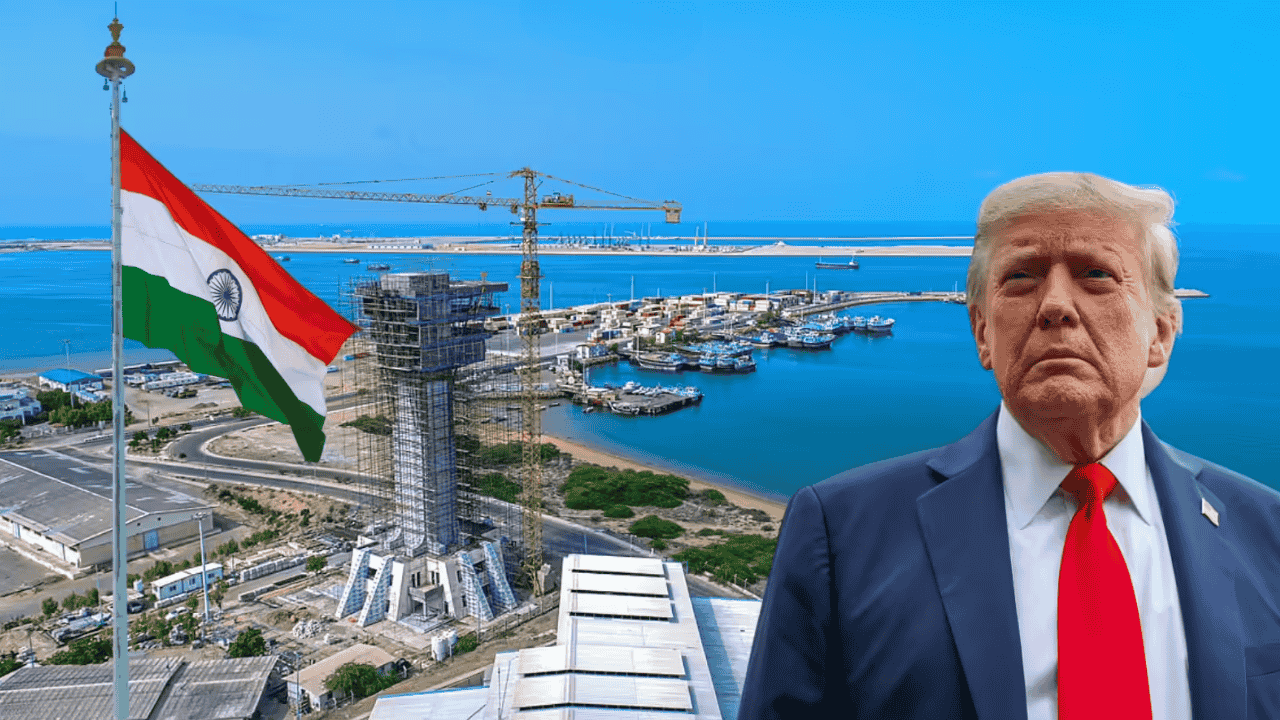
Chabahar Port Sanctions Waiver Extended Till April 2026: India's Strategic Diplomatic Victory | Current Affairs Jan 17, 2026 | UPSC Daily GK Update
Breaking: US Extends Chabahar Port Sanctions Waiver for India
In a significant diplomatic development, the Ministry of External Affairs (MEA) confirmed on January 16, 2026, that India has received a conditional sanctions waiver from the United States for its operations at Iran's strategic Chabahar Port, valid until April 26, 2026. MEA spokesperson Randhir Jaiswal stated that India remains engaged with US authorities to operationalize this arrangement, providing crucial breathing space for India's regional connectivity ambitions.
This announcement comes amid heightened tensions following US President Donald Trump's January 12 declaration imposing a 25% tariff on countries trading with Iran, raising concerns about potential cumulative tariffs of up to 75% on Indian exports to the US.
Key Facts for Quick Revision
Waiver Validity: Until April 26, 2026 (six-month extension granted October 28, 2025)
Indian Investment: USD 120 million fully discharged through India Ports Global Limited (IPGL)
Operational Control: India operates Shahid Beheshti terminal under 10-year agreement signed May 2024
Strategic Value: Bypasses Pakistan; provides direct access to Afghanistan and Central Asian republics
Trade Volume: India-Iran bilateral trade stands at approximately $1.6-1.7 billion (2024-25)
INSTC Integration: Key node in International North-South Transport Corridor (7,200 km multi-modal network)
Indian Nationals in Iran: Approximately 9,000 (students, businesspersons, professionals, pilgrims)
Strategic Significance of Chabahar Port
Geopolitical Positioning
Chabahar Port, located in Iran's Sistan-Baluchestan province along the Gulf of Oman, represents India's only direct maritime gateway to Central Asia that bypasses Pakistan. The port's strategic importance extends beyond commercial interests:
Pakistan Bypass: Provides alternative route to Afghanistan, circumventing Karachi and Gwadar ports
Central Asia Access: Connects India to resource-rich Central Asian republics and Eurasian markets
Humanitarian Corridor: Facilitates wheat and pulse shipments to Afghanistan (over 2 million tonnes wheat, 2,000 tonnes pulses transported)
Counterbalance: Serves as strategic counterweight to China's Belt and Road Initiative in the region
International North-South Transport Corridor (INSTC)
Chabahar forms a critical component of the INSTC, a 7,200-km multi-modal transportation network established in 2000 by India, Iran, and Russia. The corridor reduces:
Transit time: Mumbai to Moscow within 16-21 days (vs. traditional routes)
Transport costs: Approximately $2,500 per 15 tons of cargo
Dependency: Eliminates reliance on longer, expensive routes via China or Europe
US Sanctions Timeline: A Diplomatic Tightrope
Evolution of US Policy
| Date | US Action | Impact on India |
|---|---|---|
| May 2018 | Trump administration reimposes Iran sanctions | India granted waiver for Chabahar development |
| 2018-2024 | Sanctions waiver continues under Biden | Uninterrupted Indian operations at port |
| September 29, 2025 | Trump announces waiver withdrawal | Raised concerns about project viability |
| October 28, 2025 | Six-month conditional waiver granted | Valid till April 26, 2026 |
| January 12, 2026 | 25% tariff threat on Iran trading partners | Potential 75% cumulative tariffs on India |
India's Diplomatic Response
New Delhi has adopted a multi-pronged strategy to safeguard its interests:
Proactive Engagement: External Affairs Minister S. Jaishankar likely to meet US counterpart next month
Strategic De-risking: Operational responsibility transferred to Iranian manpower to reduce attribution risk
Investment Completion: Full discharge of $120 million commitment ahead of timeline
Trade Negotiations: Ongoing discussions for bilateral trade deal with US to secure permanent exemption
Investment and Operational Status
Financial Commitments
India's investment structure for Chabahar Port development:
Direct Investment: USD 120 million for equipment and infrastructure
Credit Window: Additional USD 250 million offered for infrastructure upgradation
Total Contract Value: Approximately USD 370 million over 10-year period
Equipment Delivered: Mobile harbour cranes and mechanized equipment operational at Shahid Beheshti terminal
Operational Metrics
Container Traffic: Over 90,000 TEUs handled since IPGL took control
Bulk Cargo: More than 8.4 million tonnes of bulk and general cargo
Monthly Vessels: Container vessels of ~6,000 TEU capacity scheduled monthly from India
Current Capacity Utilization: Only 10% of 8.5 million-ton capacity due to sanctions (2019 figure)
Geopolitical Implications and Future Scenarios
Trump's Tariff Threat: Assessing the Impact
Despite the 25% tariff announcement, India's direct exposure remains limited:
Iran accounts for merely 0.15% of India's total trade
Not among India's top 50 trading partners
Primary exports: Rice, tea, pharmaceuticals, essential oils
However, cumulative tariff risk is significant:
Existing 25% reciprocal tariff + 25% Russia-related punitive duty + potential 25% Iran tariff = 75% total
Could affect India's $86 billion trade relationship with US
Diplomatic Pathways Forward
India's options include:
Bilateral Trade Deal: Negotiating comprehensive economic partnership with US
Humanitarian Exemption: Emphasizing Chabahar's role in Afghanistan aid and regional development
Multilateral Framework: Leveraging INSTC's international membership for collective bargaining
Gradual Transition: Reducing operational footprint while maintaining strategic presence
Why This Matters for Your Exam Preparation
UPSC Prelims (GS-I & GS-II)
International Relations: Understanding India's "Neighbourhood First" and "Connect Central Asia" policies
Geography: Strategic location of Chabahar Port, INSTC route mapping, chokepoints (Strait of Hormuz)
Current Events: Latest US sanctions regime, tariff policies, diplomatic negotiations
UPSC Mains (GS-II & GS-III)
GS-II: International Relations
Analyze India's strategic autonomy in balancing relations with US and Iran
Evaluate Chabahar Port's role in India's regional connectivity initiatives
Discuss impact of unilateral sanctions on multilateral infrastructure projects
GS-III: Economy & Security
Examine significance of INSTC for India's trade diversification and energy security
Assess economic implications of US tariffs on India's export competitiveness
Critically evaluate India's investment strategy in strategic infrastructure abroad
Competitive Exams (SSC, Banking, State PSCs)
Static GK Components:
Ports: Chabahar (Iran), Gwadar (Pakistan), Kandla (India) - comparative locations
International Organizations: INSTC founding members (India, Iran, Russia)
Bilateral Agreements: India-Iran Chabahar contract (May 2024), India-Afghanistan-Iran trilateral transit agreement
Dynamic GK Components:
Current sanctions regime and waiver mechanisms
Trade statistics and investment figures
Recent diplomatic statements and policy changes
Essay & Interview Preparation
Potential Essay Topics:
"Strategic Infrastructure as Foreign Policy Tools: The Chabahar Example"
"Balancing Act: India's Iran Policy in the Age of American Sanctions"
"Connectivity as Security: Reimagining India's Regional Integration"
Interview Questions:
How should India balance its strategic interests in Iran with its growing partnership with the US?
What are the alternatives if the US withdraws the Chabahar waiver permanently?
How does Chabahar fit into India's larger Indo-Pacific and Eurasian strategy?
Pro Tip for Aspirants: Map the INSTC route on a physical map and mark Chabahar Port, Bandar Abbas, and key Central Asian capitals. This visual aid will help retain geographical information for both Prelims and Mains. Track the April 26, 2026 deadline as a potential question trigger for upcoming exams.